
ADU Plans
Custom ADU Engineering & Design for Southern California
Building an Accessory Dwelling Unit (ADU) is a great investment, but it doesn’t have to be complicated. Many homeowners want to maximize their property value with a new backyard home. At the same time, General Contractors need permit-ready plans to keep their projects moving. Avila Structural Engineering provides a complete, one-stop solution for everyone. We make the entire process simple, fast, and highly efficient.
Why Choose a Licensed Structural Engineer for Your ADU?
Most drafters and designers outsource their structural calculations. This practice adds frustrating delays, hidden costs, and endless back-and-forth during city plan checks.
As a licensed Structural Engineering firm, we handle all the heavy lifting in-house. We specialize in custom ADUs. Standard pre-approved plans often fail on difficult sites. We can easily tackle hillside lots, high fire severity zones, tight property setbacks, and complex soil conditions. Your custom project is safe in our expert hands.
Our All-In-One ADU Package
First, we develop a beautiful custom design tailored to your specific lot and budget. Then, we provide the complete construction document package required for city permitting:
- Architectural Plans: Layout, aesthetics, finish materials, and strict local zoning compliance.
- Structural Plans & Calcs: Foundation, framing, and seismic anchorage. All elements are designed by a licensed S.E.
- Title 24 Energy Calculations: Full proof of compliance with California’s strict energy standards.
- Electrical/Lighting Plans: General room layouts and detailed fixture schedules.
- Permit Processing: We expertly navigate the complex city clearance and approval process for you.
For General Contractors & Architects
Stop chasing down multiple different consultants for one job. Just hand us your schematic footprint or client requirements. We will quickly hand you a permit-ready structural, architectural, and energy package. This approach saves you valuable time and keeps your construction timeline right on track.
Ready to build your new ADU?
Contact our engineering team today to determine your lot’s feasibility. You can get a customized quote for your specific ADU project right now. We are fully ready to help you build the perfect space.
ADU Images
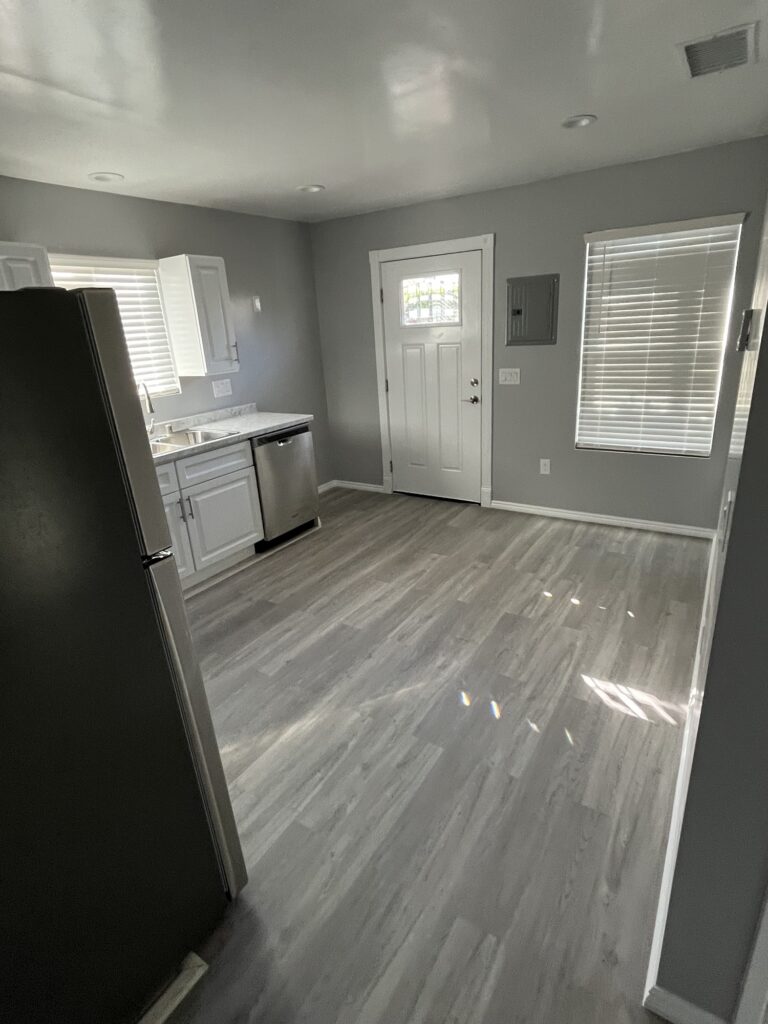
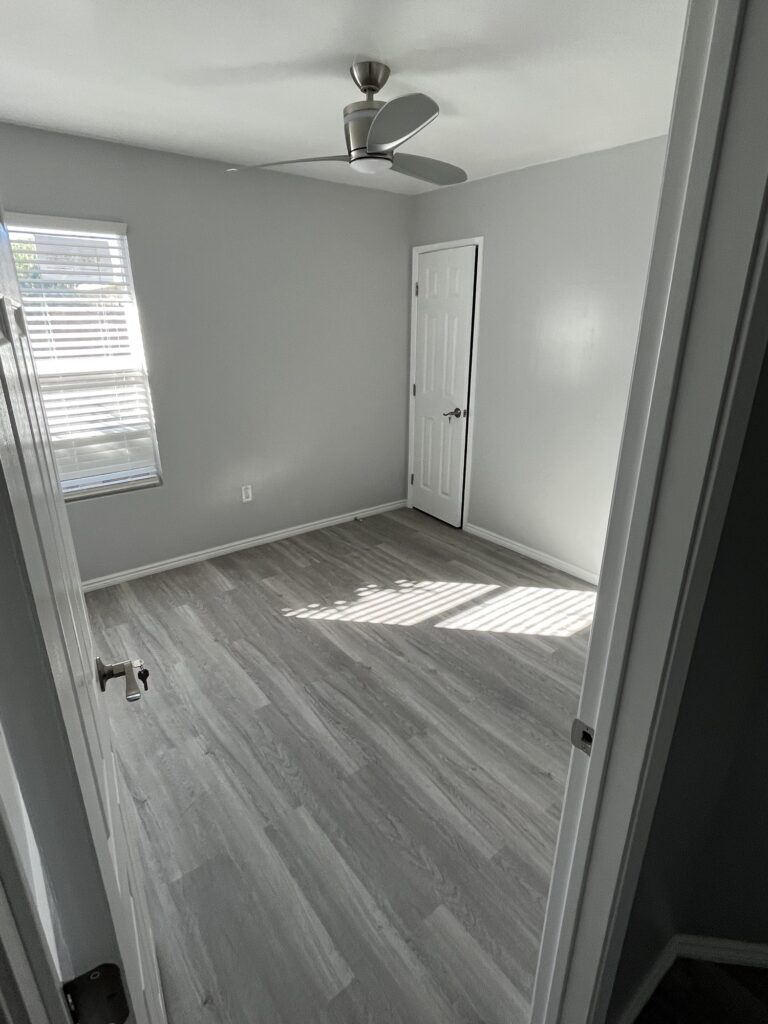
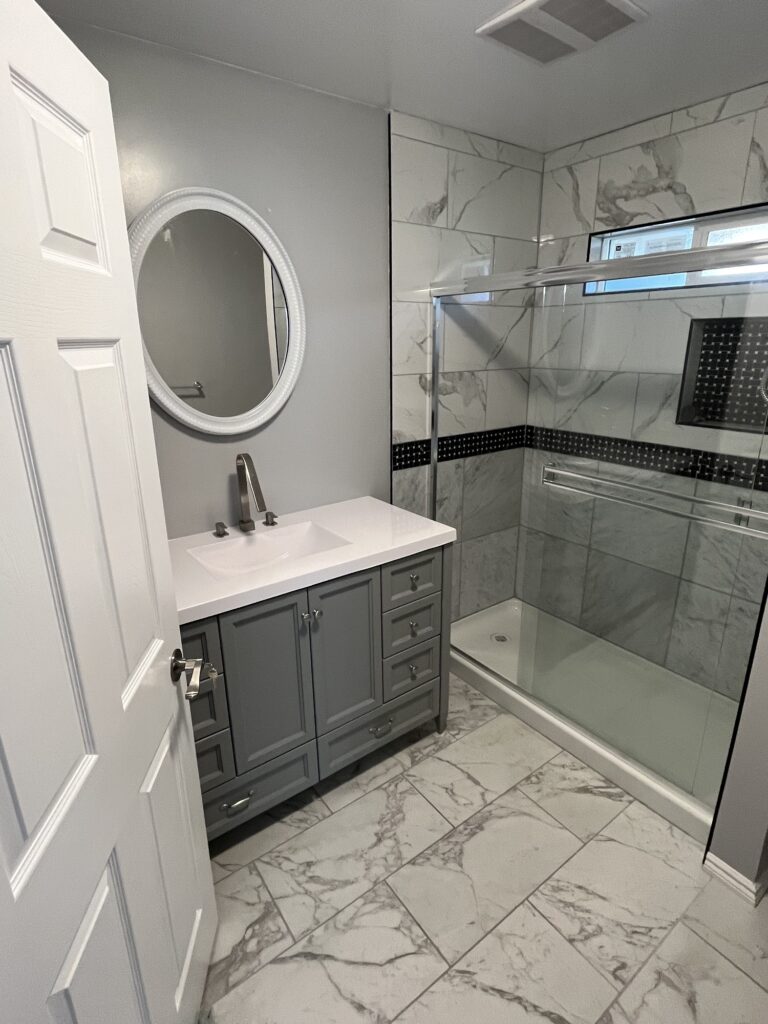
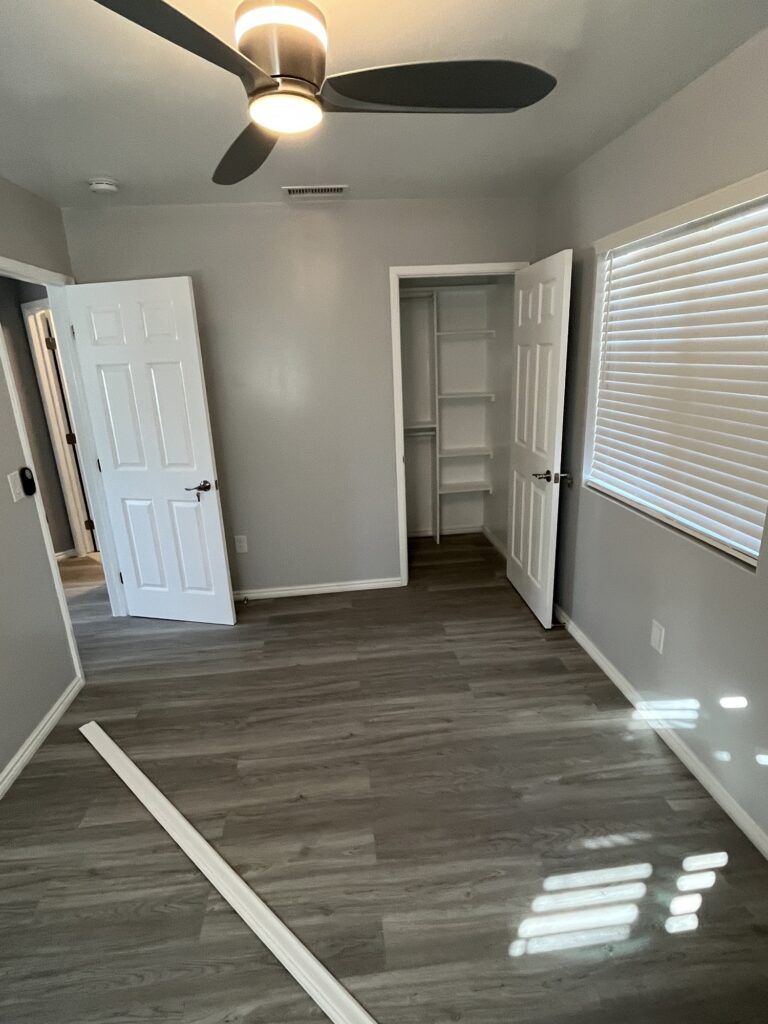
Frequently Asked Questions: Building an ADU in a Fire Zone
Are ADUs required to comply with Wildfire codes?
Yes. If your property is located in a designated Wildland-Urban Interface (WUI) or a High Fire Hazard Severity Zone (HFHSZ), any new accessory structure must comply with the 2025 California Wildland-Urban Interface Code (Title 24, Part 7). This ensures the structure resists ignition from flying embers and direct flame contact.
What are the exterior wall requirements for an ADU in a fire zone?
Under Section 504.5 of the code, the exterior walls of your ADU must be built with noncombustible materials, heavy timber, or feature a 1-hour fire-resistance-rated assembly on the exterior side. Certain tested and approved ignition-resistant wall assemblies are also permitted.
Can I use standard windows on my ADU?
No. Standard glass shatters quickly under intense radiant heat. Section 504.8 requires all exterior windows and glazed doors to be constructed with multilayered glass (where at least one pane is tempered glass), glass blocks, or glazing that carries a minimum 20-minute fire-protection rating.
What type of roof and vents are required?
Your ADU must have a Class A fire-rated roof assembly (Section 504.2). Additionally, any ventilation openings for attics or crawl spaces must be fully covered with Wildfire Flame and Ember Resistant (WUI) vents approved by the State Fire Marshal (Section 504.10). Roof vents must use noncombustible, corrosion-resistant mesh with openings no larger than 1/8-inch to prevent burning embers from entering the building.
Am I allowed to build a wood deck attached to my ADU?
Yes, but the materials are strictly regulated to prevent the deck from catching fire and spreading it to the house. Section 504.7.3 requires the walking surfaces of decks, porches, and balconies to be constructed with noncombustible materials, approved ignition-resistant materials, exterior fire-retardant-treated wood, or heavy timber. Additionally, the underfloor area of the deck may need to be fully enclosed.